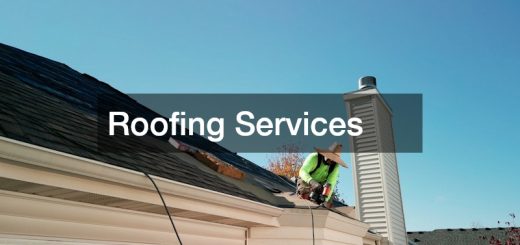
How To Plan Improvements Around A Long-Term Budget
Understanding how to effectively plan improvements around a long-term budget is vital for successful financial management. In this article, we will address essential questions and provide guidance on maintaining fiscal discipline while achieving your financial goals. Whether you’re looking into home water filtration systems or consulting with professional roofing companies, a solid budget plan can help you achieve these improvements.
Why is long-term budgeting important?
1. The benefits of long-term planning
Long-term budgeting provides a strategic framework for managing finances efficiently and ensuring financial security. By setting clear, realistic goals, individuals can prioritize expenditures, which is invaluable when considering key home improvements like window replacement or water heaters. A sound budget also allows you to plan for big-ticket expenses such as engaging a professional local roofer for roofing services or seeking out a tree removal service when needed.
Implementing a long-term budget cultivates disciplined financial behavior by making one accountable and observant of their financial habits. This accountability is crucial when balancing necessary costs like routine sump pump installations or scheduling gutter installation to protect your home against water damage. Ultimately, long-term planning empowers you to create a road map toward financial stability and facilitates choices that resonate with both immediate needs and future desires.
Moreover, long-term budgeting not only helps prevent overspending but also creates a sense of security by adequately preparing for life’s unpredictable moments. Whether it’s an unexpected repair that requires a water well driller or reassessing your energy costs with water heaters, having a budget in place provides reassurance. This preparation is synonymous with avoiding the chaos that often accompanies the lack of a comprehensive financial strategy.
2. Avoiding financial pitfalls
One of the undeniable benefits of maintaining a long-term budget is the avoidance of common financial pitfalls that can undermine your financial health. For instance, many homeowners find themselves financially strained when they neglect routine maintenance or delay vital expenses such as tree removal services that should otherwise be prioritized. An effective budget ensures these issues are planned for and managed without disrupting cash flow.
Failure to account for irregular expenses such as professional roofing companies or unexpected events like gutter installation due to inclement weather can create financial turmoil. Proper budgeting mitigates these issues by setting aside funds for maintenance and periodic evaluations by a local roofer, preventing costly emergency fixes that could derail financial plans. In addition, by staying ahead of the curve with personalized budget limits, one can manage their finances with confidence and avoid the burden of unplanned debt.
Furthermore, budgeting equips individuals with the tools to navigate financial intricacies with seasoned prudence. This includes differentiating between essential improvements like sump pump installations and non-essential luxuries, thus evading unnecessary debt. Over time, this astuteness aids in cultivating an overall sense of control and peace of mind in financial matters, allowing for calculated, precise decision-making.
3. Setting realistic goals
Setting realistic goals within a long-term budget is fundamental to achieving desired outcomes without stress or financial strain. It starts with an honest evaluation of your current financial situation, taking into account all potential expenditures such as window replacement projects or investments in home water filtration systems. These goals act as a benchmark to guide spending, ensuring alignment with both personal aspirations and financial capacities.
A crucial part of goal-setting involves balancing present desires with future needs, necessitating thorough introspection and prioritization. Whether planning for a future roof repair with roofing services or preparing to approach a water well driller for sustainable water solutions, setting attainable objectives fosters a sustainable financial path. As the adage goes, “Plan for the worst, hope for the best”—and sound goals serve as the backbone of this proactive mentality.
Successfully achieving budgetary goals requires the integration of consistent monitoring and periodic adjustments. Regular reviews and updates allow you to account for life changes, such as loss of income or increased needs, thus guaranteeing that goals remain realistic and achievable. In this light, modest adjustments in budget allocations can make room for emerging priorities such as energy-efficient water heaters or more pressing innovations.
How to set financial goals for your budget?
1. Identifying your priorities
Identifying priorities for your budget is an essential first step in building a robust financial plan. This means distinguishing between immediate necessities and long-term aspirations. For instance, ensuring the structural integrity of your home might necessitate consultations with professional roofing companies or replacements such as water heaters before any leisure projects are undertaken.
Successfully identifying your priorities also involves a knowledge of the critical elements that influence your daily life and financial well-being. By understanding when and where to invest, such as tackling overdue window replacements or engaging a tree removal service after a storm, you make deliberate financial decisions that reflect intrinsic values and lifestyle. With a clear vision, it becomes easier to formulate a flexible strategy that guides both financial and personal growth in tandem.
Ultimately, the process of setting financial priorities requires balancing current obligations while planning for the future. This might mean incorporating regular assessments such as deciding when to finance gutter installation projects versus home water filtration systems. As one grows more adept at identifying priorities, financial security accelerates, promoting both wealth creation and peace of mind in equal measure.
2. Aligning goals with financial capacity
Financial capacity plays a pivotal role in shaping achievable and realistic goals within a budget. Understanding personal income and expenses ensures that the set goals remain within reach and do not cause undue financial strain or lead to debt. For example, aligning your budget with your capacity might mean choosing between replacing a sump pump installation or a water heater, depending on urgency and available resources.
To align goals effectively, one must account for regular expenses, emergency funds, and savings objectives. Thoroughly vetting these financial aspects offers clarity on how much can realistically be spent on planned improvements such as roofing services from a local roofer. By doing so, the budget safeguards against potential pitfalls and fosters accountability in financial dealings.
Furthermore, taking into account factors such as inflation or economic fluctuations during goal planning ensures goals remain viable in the future. By evaluating and adjusting the budget regularly, it stays resilient against unforeseen expenses, such as emergency gutter installations or engaging a water well driller during drought conditions. This proactive approach reinforces the foundation of financial resilience and adaptability in the face of evolving circumstances.
3. Setting short and long-term targets
Setting both short and long-term targets maximizes the efficiency and efficacy of a budgetary plan. Short-term targets, such as contracting a sum[ pump installation, give timely goals that can be easily achieved, while long-term ambitions prepare you for more substantial investments like home water filtration systems. Balancing these aspirations ensures a rewarding financial journey that remains free from the chaos often inflicted by unorganized spending.
To efficiently manage short and long-term targets, consistency is key. Regularly reviewing key financial aspects will facilitate the timely realization of goals while maintaining momentum. For example, planning for approachable projects like routine window replacement can coincide with broader, transformative endeavours like consulting a water well driller.
Moreover, prudently differentiating between attainable short-term targets and inspirational long-term ambitions prevents overextension and fatigue. This methodical approach helps allocate funds judiciously across varying timelines, ensuring every financial endeavor is bolstered by sound strategy. Such a well-orchestrated balance makes expansive projects like substantial roofing services by a professional roofing company more digestible.
What are common budgeting mistakes to avoid?

1. Underestimating expenses
Underestimating expenses is a budgeting pitfall that can disrupt even the most meticulously crafted financial plans. Unexpected costs, whether in roof maintenance by a local roofer or the need for a tree removal service, can snowball into larger financial burdens if inadequately planned for. To mitigate this, thorough research and realistic financial assessments ensure expenses are closely aligned with actual market conditions.
Preparing for unexpected yet potential expenses, such as those involving professional roofing companies for essential repairs, further buffers the budget against unforeseen circumstances. Financial strategies that anticipate these costs result in more flexible budgets that expertly accommodate quixotic challenges like urgent water well driller engagements or impromptu gutter installations. This preparedness is not simply advantageous—it’s essential to maintaining solvency and security in financial matters.
Additionally, consistent financial reviews allow one to adjust allocations in response to emerging needs. These regular assessments expose latent expenses, equipping you to allocate funds prudently for essential tasks, such as replacing aging water heaters, without compromising existing goals. Streamlining for contingency ensures that surprises don’t derail broader financial objectives.
2. Not accounting for emergencies
Emergencies are an inevitable part of life, and failing to account for them in the budget can severely disrupt financial well-being. Whether it’s emergency window replacements after storms or critical sump pump installations during unexpected floods, preparedness plays an invaluable role in stabilizing finances during chaos. A dedicated emergency fund within one’s budget provides a cushion to weather such storms without reaching for credit or loans.
Incorporating an emergency savings component fosters financial resilience and agility. Regular contributions to this fund, while maintaining other financial goals, safeguard against sudden dips caused by necessity. For example, having reserves for critical home infrastructure like drainage correction, roofing services, or water heater replacements affords flexibility to manage dire situations as they arise.
Moreover, incorporating emergency provisions alleviates the compounding stress of unplanned financial withdrawals. It enhances the ability to stick to existing goals, whether investments in professional upgrades like water well drillers for sustainable solutions or routine tree removal services for home safety. In turn, strategic foresight brings financial stability and greater overall peace of mind.
3. Ignoring debt payments
One of the most pernicious budgetary oversights is neglecting debt payments, which can quickly spiral out of control. Remaining unaware or indifferent to debt obligations, such as ignoring urgent roofing services by professional companies or crucial home infrastructure update expenses, can exacerbate financial woes. Prioritizing debt control through disciplined budgeting, however, diminishes undue financial pressure.
A proactive stance is required to diligently reduce debt while still pursuing financial goals. Regular debt evaluation, identifying interest rates, and maintaining timely payments insulate you against detrimental outcomes. This discipline ensures funds are available for necessary home improvement projects like gutter installations or improving efficiencies with water heaters.
Additionally, efficient debt management facilitates long-term planning freedom. This equilibrium nurtures the environment for methodical investment in transformative priorities, such as hiring a local roofer or adopting water well drilling solutions. By responsibly managing debts, you create openings to further financial ambitions while buttressing economic stability.
How frequently should you review your budget?
1. Importance of regular reviews
Reviewing your budget regularly is imperative for maintaining and adjusting financial targets. It necessitates frequent inspections of spending patterns and shifting priorities, providing the opportunity to realign plans with evolving circumstances. For foundational projects, like engaging professional roofing companies or investing in sump pump installations, these reviews ensure strategic alignment and continued prosperity.
Frequent budgeting reviews facilitate modifications to the plan in light of varied financial demands. This dynamic approach is crucial for sustaining momentum in ever-changing environments, fostering timely decision-making, such as securing tree removal services after unforeseen storms. Reviews offer the foresight to recalibrate financial strategies, preventing potential oversights and preparing for evolving expenses such as water well drillers.
Moreover, regular assessments contribute to financial mindfulness and stability, allowing early detection of potential discrepancies or unrestrained spending. By instilling consistent evaluation habits, individuals improve financial dexterity, equipping themselves to handle surprises like urgent window replacements while fortifying overall resilience and adaptive strategies.
2. Tools for tracking budget changes
Various tools are available to effectively track changes within your budget for improved management. Financial software offers robust systems to record, analyze, and forecast spending tendencies, aiding in the financial oversight of projects like gutter installation or water heater upgrades. These tools equip individuals with comprehensive insights into their financial activities, presenting a macro view of fiscal health.
Smartphone applications provide real-time data capture, permitting immediate updates to budget plans following any financial transactions. Whether engaging a local roofer for necessary repairs or vetting water well driller costs, mobile tools empower quick adaptation and fiscal awareness. These technologies ensure congruence between financial practices and strategic goals, facilitating informed decision-making.
For those who prefer traditional methods, spreadsheet templates offer structured formats to input and assess daily expenses. They allow full customization of budget variables, ensuring home improvements such as tree removal services or investing in home water filtration systems are acknowledged within financial frameworks. These tools encapsulate an individual’s financial behavior, providing extensive transparency and control.
3. Adjusting the budget for life changes
Life changes require timely budget adjustments to suitably reflect new financial realities. Whether transitioning careers, expanding families, or undergoing major life events, a responsive budget enables adaptation to novel circumstances. It helps prioritize essential tasks such as professional roofing company engagements or adapting to weather-related challenges requiring sump pump installation readiness.
An agile budget accommodates expenditures related to life adjustments, supporting smoother transitions and averting financial disturbances. Accurate forecasting of income changes and altering budget allowances spawn economic versatility, permitting crucial extensions like engaging water well drilling services or pursuing energy-efficient home water filtration solutions. Flexibility during life adjustments ensures continuity within one’s financial systems.
Furthermore, embracing changes with a proactive mindset encourages reassessment of future goals, readying finances in anticipation of evolving priorities. By crafting a budget that reflects a cohesive strategy, enduring transformations including water heater upgrades or window replacement projects honor past commitments whilst embracing future objectives. This equilibrium nurtures financial fleetness, fortifying both present and future economic foundations.
What tools and resources are available for budget planning?
1. Financial planning software
Financial planning software provides a comprehensive, dynamic approach to managing budgets with finesse. With features that range from expense tracking to long-term financial forecasting, these tools offer unparalleled insight into your fiscal activities. For example, while planning for substantial undertakings like comprehensive roofing services, these platforms ensure projects align with overarching goals.
The software’s analytical capabilities extend beyond mere ledger entries, supporting informed decision-making on investment opportunities like hiring water well drillers or scheduling necessary tree removal services. It documentation capabilities include storing important data regarding home improvements like installing a home water filtration system. Continuous data input enables real-time monitoring, highlighting budget deviations for immediate corrections.
Many of these software solutions are tailored with user-centric interfaces designed to simplify complex financial concepts. For individuals undertaking multiple projects such as water heater maintenance or consulting a local roofer for repairs, the software provides an organized financial landscape for optimized management. The digital convenience of these tools ensures long-term financial fidelity and peace of mind.
2. Professional financial advisors
Professional financial advisors bring expert insights to budget planning with personalized guidance in accordance with individual goals. Through comprehensive evaluations of your financial standing, they offer tailored recommendations such as strategic expense management for projects like window replacements or assessing energy-efficient upgrades with water heaters. An advisor can bolster your fiscal discipline by identifying unique opportunities.
The benefit of personal guidance supports informed decisions regarding major projects like roofing services or investing in water well drilling for self-sufficiency. Advisors offer bespoke plans and strategies that align with current capabilities and aspirations, crafting realistic pathways to achieve financial success. Ultimately, the partnership equips one with heightened confidence in navigating complex financial landscapes.
By engaging professional advisors, you tap into a wealth of financial acumen and experience. Their guidance can mitigate potential challenges, applying industry insight to avoid pitfalls, such as unsuitable investments or unplanned spending on non-essential services like tree removal. This strategic alliance nurtures financial literacy, fortifying economic enterprise with informed decision-making and calculated risk-taking.
Planning improvements around a long-term budget helps homeowners make steady progress without financial strain. When projects are prioritized and timed thoughtfully, it becomes easier to balance immediate needs with future goals. A clear budget strategy supports consistent upgrades that add value while keeping costs manageable over time.