Smart Home Upgrades for Aging in Place
The desire to remain in one’s own home as the years pass is a powerful motivator for many homeowners. This concept, often referred to as aging in place, is about more than just staying put; it is about ensuring that a residence remains a safe, comfortable, and functional sanctuary regardless of changes in mobility or health. In the modern era, we have an unprecedented advantage in achieving this goal through a combination of thoughtful structural modifications and innovative smart technology. By taking a proactive approach to home design today, you can avoid the stress of a forced relocation later, preserving both your independence and your connection to your community.
Planning for the future requires a shift in perspective. Rather than viewing home modifications as a sign of decline, they should be seen as an investment in longevity and lifestyle. A home that is optimized for aging in place is often more convenient for people of all ages, featuring intuitive layouts and automated systems that simplify daily chores.
Mastering Vertical and Horizontal Mobility
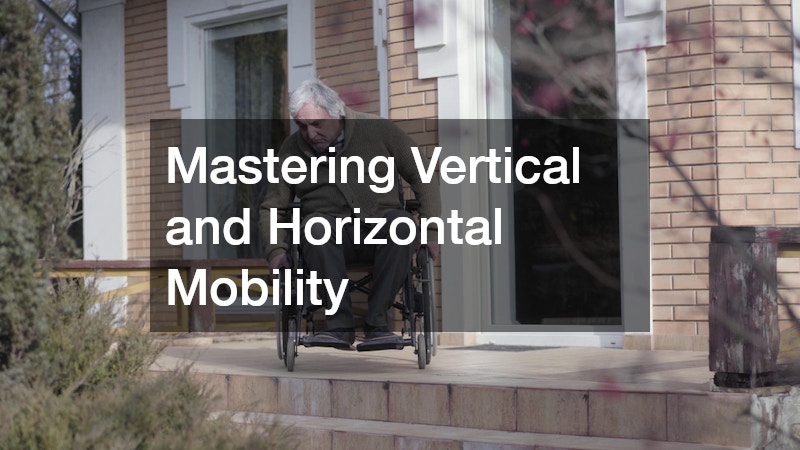
Navigating a home with multiple levels can eventually become the greatest challenge for those who wish to stay in their long-term residence. While many people believe that a move to a single-story ranch is the only solution, modern engineering offers ways to bridge the gap between floors. Incorporating a residential elevator into your architectural plans can eliminate the physical toll of stairs, allowing you to access every corner of your home without exertion or risk of a fall. This addition not only serves a practical purpose but also adds a significant layer of luxury and future resale value to the property.
Structural changes should also address the way you move from room to room on a single level. During a comprehensive home remodel, it is essential to focus on widening doorways to at least thirty-six inches and removing high thresholds that can catch a toe or a walker. These changes create a seamless flow throughout the living space, ensuring that even if mobility aids become necessary later on, the home remains fully navigable without further intervention.
- Install smart lighting with motion sensors in hallways to prevent nighttime stumbles.
- Swap traditional door knobs for lever-style handles to assist those with arthritis.
- Apply non-slip coatings to hardwood or tile surfaces to increase traction.
- Ensure all area rugs are secured with heavy-duty double-sided tape or removed entirely.
Enhancing the Safety of Personal Care Spaces
The bathroom is statistically the most hazardous room in the house for seniors due to the combination of slippery surfaces and the physical demands of bathing. To mitigate these risks, the focus should be on creating a “wet room” environment where barriers are minimized. Working with specialized bathroom remodeling contractors allows you to design a walk-in shower with a zero-entry threshold, which removes the need to step over a high tub wall and significantly reduces the chance of a slip.
Safety in the bathroom also extends to the systems that run behind the walls, particularly those governing water temperature. Fluctuations in pressure can lead to sudden bursts of scalding water, which is a major concern for those with decreased skin sensitivity. A professional water heater installation that includes a thermostatic mixing valve can ensure that water never exceeds a safe temperature, providing peace of mind during every shower or bath.
- Integrate a built-in shower bench for stability during longer grooming sessions.
- Install high-contrast grab bars that double as stylish towel racks.
- Use voice-activated faucets to allow for hands-free operation and temperature control.
- Ensure the toilet is a “comfort height” model to make sitting and standing easier.
Optimizing the Exterior and Entry Points

The exterior of the home sets the tone for safety and accessibility before you even step through the front door. Uneven walkways or cracked pavement can be treacherous, especially during inclement weather or in low-light conditions. Hiring reputable driveway paving companies to assess the state of your paths can lead to the installation of smooth, heat-conductive surfaces that melt snow and ice automatically, keeping your entry routes clear year-round.
Maintaining these surfaces is an ongoing task that prevents small cracks from turning into major trip hazards over time. If your current driveway shows signs of crumbling or significant wear, a local asphalt company can provide a fresh, level surface that is easy to traverse with a cane, walker, or wheelchair. A smooth exterior transition is just as important as the interior layout when it comes to maintaining a truly accessible lifestyle.
- Install LED pathway lights that trigger automatically at dusk.
- Ensure all exterior stairs have sturdy handrails on both sides.
- Create a “package shelf” near the front door to avoid bending down for deliveries.
- Consider a ramp disguised by landscaping to provide a step-free entry option.
Professional Management of Large-Scale Projects
Embarking on a journey to future-proof your home is a significant undertaking that requires expert oversight to ensure quality and compliance. Attempting to manage multiple subcontractors on your own can be overwhelming, which is why hiring experienced remodeling contractors is a vital step. These professionals can coordinate the various phases of construction, ensuring that every modification meets universal design standards and integrates perfectly with your existing home aesthetic.
One often overlooked aspect of home accessibility is the ease of entry via the garage, which serves as the primary entrance for many homeowners. If your current door is heavy or the opener is unreliable, a garage door replacement with a modern, high-speed unit can provide a safer experience. Newer models often feature battery backups and smartphone connectivity, ensuring you are never locked out during a power failure and can monitor the security of your home from anywhere.
- Check for specialized certifications in universal design when vetting builders.
- Request a detailed timeline to minimize the disruption to your daily life.
- Ensure all permits are filed correctly to avoid legal issues during future sales.
- Ask for a comprehensive warranty on all structural and mechanical upgrades.
Building a Support Network Through Services and Planning

Technology and construction are only two pieces of the aging-in-place puzzle; the third piece is the human element. While a smart home can monitor for falls or remind you to take medication, there are times when physical assistance is required for complex tasks or companionship. Many families find that hiring local in home care for a few hours a week provides the perfect balance of independence and support, allowing the homeowner to stay in their renovated space while receiving help with meals or light housekeeping.
Beyond the physical and social needs, the financial sustainability of staying in the home must be addressed. Major renovations are significant investments, and it is important to understand how these changes affect your overall financial picture. Consulting with estate planners can help you structure your assets to cover the costs of home modifications while ensuring that your property remains a protected part of your legacy for the next generation.
- Set up a smart hub that allows caregivers to check in remotely via two-way audio.
- Create a “care circle” app group for family members to coordinate visits.
- Review your long-term care insurance policy to see if it covers home modifications.
- Keep a digital log of all home improvements to assist with future appraisals.
Strategic Kitchen Modifications for Longevity
The kitchen is the heart of the home, but it can also be a source of frustration if the layout requires constant reaching or bending. To make the kitchen more accessible, consider replacing lower cabinets with deep drawers that pull out completely, bringing the contents to you rather than forcing you to kneel on the floor. Countertops should also be installed at varying heights, allowing for food preparation while seated, if standing for long periods becomes difficult.
Appliances have also evolved to support aging in place. Induction cooktops are an excellent choice because they remain cool to the touch and feature automatic shut-off sensors if a pot is removed or a timer finishes. Placing the microwave at counter height rather than above the stove prevents the dangerous task of reaching over a hot burner to retrieve heavy dishes. These small changes, combined with better lighting under the cabinets, can keep the kitchen a place of joy and creativity for years.
- Install a “pot filler” faucet over the stove to avoid carrying heavy water pots.
- Choose a French-door refrigerator with a bottom freezer for easier access to fresh food.
- Use D-shaped drawer pulls that are easier to grasp than small knobs.
- Incorporate a pull-out pantry to keep all dry goods within eye level.
The Role of Smart Sensors and Connectivity
A truly smart home acts as a silent guardian, monitoring the environment for anomalies that could indicate a problem. Smart thermostats can learn your preferences and ensure the home stays at a healthy temperature, while water leak sensors placed under sinks and near appliances can alert you to plumbing issues before they cause structural damage. These digital tools provide a layer of security that allows family members to feel confident about their loved ones living independently.
Connectivity also plays a role in health management. Many modern home systems can integrate with wearable devices that track heart rate or sleep patterns, providing data that can be shared with medical professionals during routine checkups. Voice-controlled assistants can be used to set reminders for appointments, call for help in an emergency, or simply play music and read audiobooks, reducing the sense of isolation that sometimes accompanies aging.
Beyond emergency response, these integrated systems provide a wealth of data that can help identify subtle changes in daily habits. For instance, smart stove sensors can detect if a burner has been left on for an unusual amount of time, automatically cutting power to prevent a fire. Similarly, motion sensors throughout the house can be configured to alert family members if a resident hasn’t moved between the bedroom and kitchen by a certain time in the morning, serving as a non-intrusive wellness check.
- Place “panic buttons” in low-to-the-ground locations in case a phone is out of reach.
- Use smart plugs to ensure that high-heat items like space heaters turn off automatically.
- Install a video doorbell to see and speak with visitors without opening the door.
- Configure the home network with a strong mesh system to ensure no dead zones for sensors.
Lighting as a Tool for Safety and Mood

As we age, our eyes require significantly more light to see clearly, and our sensitivity to glare increases. A well-designed lighting plan should focus on “layered lighting,” which combines ambient, task, and accent lights to create a bright yet comfortable environment. High-output LED strips under kitchen cabinets or along the baseboards in the bathroom can illuminate workspaces and pathways without creating harsh shadows that can be confusing or disorienting.
Automated lighting is particularly helpful for maintaining a healthy circadian rhythm. Systems that subtly change color temperature throughout the day—shifting from a bright, blue-toned light in the morning to a warm, amber glow in the evening—can help improve sleep quality. Additionally, ensuring that all switches are located at a height that is accessible from a seated position ensures that the lighting remains easy to control regardless of mobility levels.
- Replace standard switches with “rocker” style plates that require less pressure.
- Install lighted closet rods to make finding clothing easier in the morning.
- Use frosted bulbs or shades to minimize direct glare on the eyes.
- Ensure the transition from a bright outdoors to a darker indoors is gradual to allow eyes to adjust.
Investing in Long-Term Peace of Mind
The journey toward a perfect “forever home” is one of both physical changes and mental preparation. It requires looking honestly at the future and making decisions that prioritize safety and ease of use. While the cost of these upgrades can be substantial, they are often much lower than the monthly expenses associated with professional care facilities. More importantly, the psychological benefit of remaining in a space filled with memories cannot be quantified.
When you take the time to modify your home, you are not just fixing a building; you are securing your future. Every grab bar installed, every doorway widened, and every smart sensor synced is a step toward a life of continued independence. By starting these projects today, you ensure that your home remains your favorite place to be for all the years to come, providing a foundation of security that allows you to focus on what truly matters: enjoying your life to the fullest in the environment you love.