How to Get More Value From Your Home Investments
Owning a home is both a place to live and a long-term financial commitment. Every repair, renovation, maintenance task, and upgrade represents an investment in the property. While some improvements are primarily about comfort, others can protect the structure, improve efficiency, enhance functionality, or make the home more appealing to future buyers.
Getting more value from those investments does not necessarily mean spending more money. In many cases, the best results come from making thoughtful decisions about what to improve, when to do it, and how to balance immediate needs with long-term goals. A well-maintained home can provide benefits for years, while poorly planned improvements can create additional costs.
By taking a strategic approach to maintenance and upgrades, homeowners can make their properties more comfortable while protecting the investment they have already made.
Start With Maintenance Before Major Upgrades
One of the simplest ways to get more value from a home is to take care of what is already there. Routine maintenance can extend the useful life of major systems and help identify small problems before they become expensive repairs.
Create a maintenance schedule that includes the roof, gutters, plumbing, HVAC equipment, exterior surfaces, landscaping, windows, doors, and appliances. Some tasks should be completed seasonally, while others may only need attention once or twice a year.
Maintenance can also help homeowners understand the condition of their property. Keeping records of repairs, inspections, replacements, and warranties makes it easier to determine which systems may need attention next.
This information can be especially useful when planning a larger renovation. Instead of making decisions based on appearance alone, homeowners can prioritize improvements according to the actual condition of the property.
Prioritize Projects That Protect the Property
Not every improvement deserves the same level of urgency. Projects that prevent structural damage or protect major components should generally receive attention before purely cosmetic upgrades.
Water intrusion is one example. A small roof leak or drainage problem may seem manageable at first, but continued moisture can damage insulation, drywall, framing, flooring, and other materials.
Homeowners should also pay attention to signs of foundation movement, persistent moisture, damaged siding, deteriorating exterior materials, and other issues that could affect the structure.
Residential roofing contractors can evaluate roofing conditions and help homeowners determine whether repairs, maintenance, or replacement may be appropriate.
Taking care of protective improvements first can help preserve the value of other investments. There is little benefit in installing expensive interior finishes if an unresolved exterior problem could eventually damage them.
Make Energy Efficiency Part of the Plan
Energy efficiency can influence both monthly household expenses and long-term property value. Improvements that reduce unnecessary heating and cooling demands may make a home more comfortable while lowering energy consumption.
Start by identifying where energy may be wasted. Drafty windows, inadequate insulation, inefficient equipment, air leaks, and poorly sealed doors can all affect indoor temperatures.
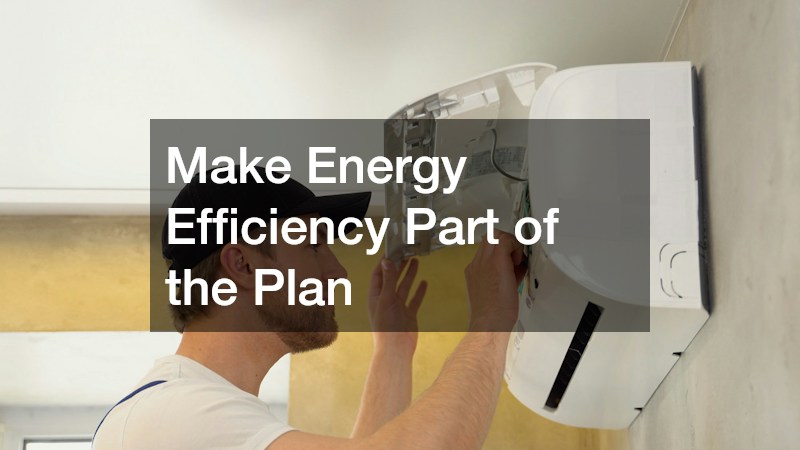
Heating and cooling systems deserve particular attention because they often represent a significant portion of household energy use. If equipment is aging or struggling to maintain comfortable temperatures, an HVAC contractor can evaluate the system and identify potential improvements.
Homeowners do not necessarily need to replace every system at once. Smaller improvements, such as sealing air leaks, improving insulation, replacing filters, or installing programmable controls, can sometimes make a meaningful difference.
When major equipment eventually needs replacement, look for options that balance purchase price, operating costs, maintenance requirements, and expected service life.
Address Plumbing Problems Early
Plumbing systems are easy to overlook because much of the infrastructure is hidden behind walls, beneath floors, or underground. However, plumbing problems can cause significant property damage if they are ignored.
Slow drains, persistent leaks, low water pressure, unusual odors, running toilets, and water stains can all indicate problems that deserve attention.
Plumbing repairs should be approached based on both the immediate issue and the condition of the broader system. Fixing a visible leak may solve the short-term problem, but an inspection could reveal aging pipes or additional areas of concern.
Preventive attention can also help protect flooring, cabinetry, drywall, and other materials that may be damaged by water.
Improve Outdoor Living Areas
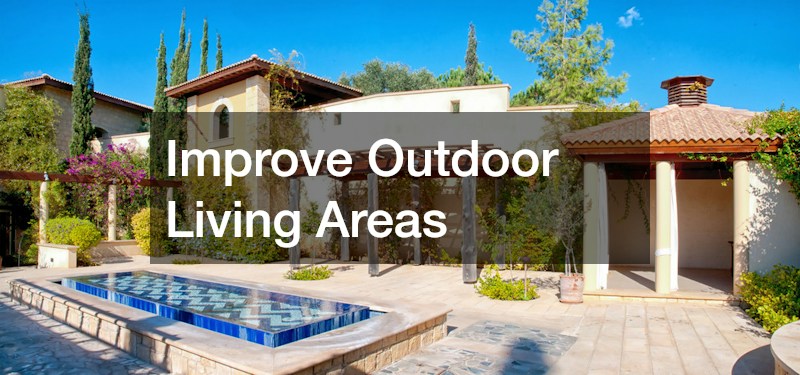
Outdoor spaces can add considerable functionality to a property. A well-designed patio, deck, garden, porch, or backyard gathering area can effectively expand the usable living space without changing the home’s interior footprint.
Outdoor living improvements should be planned around how the household actually uses the property. Some homeowners may want a dining area, while others may prioritize a comfortable space for relaxing, entertaining, gardening, or recreation.
Durability should be considered alongside appearance. Outdoor materials are exposed to sunlight, rain, snow, temperature changes, and regular use, so selecting appropriate materials can reduce future maintenance requirements.
Lighting, seating, shade, landscaping, and privacy features can also influence how enjoyable the space becomes. The goal is to create an outdoor area that people will actually use rather than simply adding features because they seem desirable.
Improve Water Management Around the House
Water management is one of the most important aspects of exterior maintenance. Gutters, downspouts, grading, drainage, and landscaping all influence where rainwater goes after it reaches the property.
If water collects near the foundation, runs down exterior walls, or creates erosion around the property, homeowners should investigate the cause.
Aluminum gutter installation services can provide an option for homeowners replacing aging or damaged gutter systems. Properly functioning gutters can help direct water away from vulnerable areas.
Downspouts should also discharge water far enough away from the foundation when possible. Simply replacing gutters without addressing poor drainage elsewhere may not solve the underlying problem.
A comprehensive approach to water management can protect landscaping, siding, foundations, basements, crawl spaces, and other parts of the property.
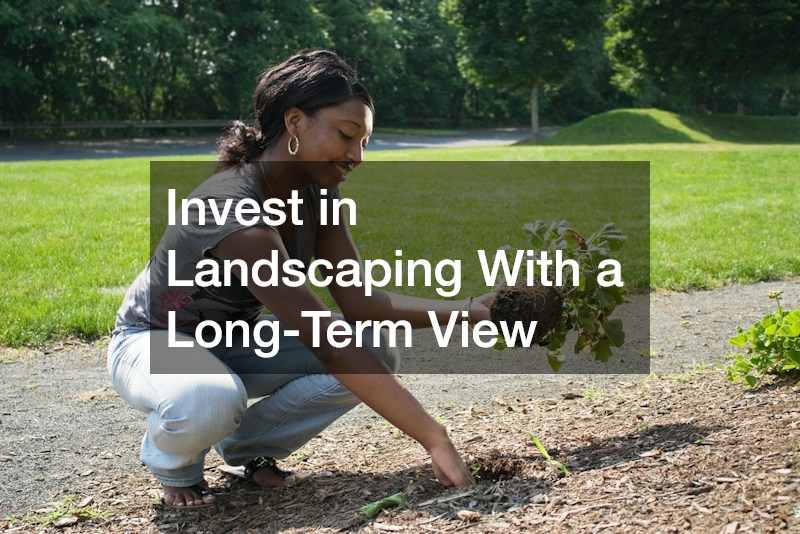
Invest in Landscaping With a Long-Term View
Landscaping can improve curb appeal, outdoor usability, shade, privacy, and the overall character of a property. However, plants and trees should be selected with their mature size and maintenance needs in mind.
A small tree that looks appropriately sized near a house today may eventually grow into the roofline or interfere with utility lines. Overgrown vegetation can also create access problems or make routine maintenance more difficult.
When a tree becomes hazardous, diseased, severely damaged, or poorly positioned, tree removal services can help address the issue safely.
Removing a tree is not always the only option. In some situations, pruning or other maintenance may resolve the concern. Homeowners should consider the tree’s condition, location, species, and potential impact before deciding how to proceed.
Do Not Ignore the Remaining Tree Stump
Tree removal does not always end with the removal of the visible tree. A remaining stump can become an obstacle, interfere with landscaping, attract insects, or make future planting and construction more difficult.
Stump grinding services can remove much of the visible stump and allow homeowners to reclaim the surrounding area.
Once the stump has been addressed, the space can potentially be incorporated into a new planting bed, lawn area, pathway, or other landscape feature.
Planning tree work as part of a larger landscaping project can make the property more cohesive while reducing the likelihood of having to redo recently completed work.
Create Useful Privacy Features
Privacy can have a major effect on how comfortable an outdoor space feels. Fencing can help define property boundaries, create separation from neighboring properties, and make yards more useful for families and pets.
When planning a new fence, homeowners should consider height, material, maintenance requirements, local regulations, property lines, and the overall appearance of the home.
Wood fence supplies can be useful for homeowners or professionals constructing or repairing wood fencing. The quality of the materials can influence the fence’s durability and appearance over time.
A fence should also complement the existing landscape rather than feeling like a completely separate addition. Coordinating the fence with gates, landscaping, exterior colors, and outdoor living areas can create a more unified appearance.
Upgrade Bathrooms With Practical Features
Bathrooms are often among the most frequently used spaces in a home, which makes functionality especially important. Improvements should focus on durability, storage, lighting, ventilation, and ease of cleaning.
Some upgrades can provide a noticeable change without requiring a complete renovation. New fixtures, improved lighting, updated hardware, fresh surfaces, and better storage can modernize the room.
For homeowners undertaking a larger renovation, custom glass shower doors can provide a polished appearance while creating a more open visual effect.
When choosing bathroom materials, consider moisture resistance and maintenance requirements. A visually appealing material that requires extensive upkeep may not be the best long-term choice for every household.
Consider Improvements That Reduce Future Maintenance
Home investments can create more value when they reduce recurring maintenance demands. Durable exterior materials, efficient equipment, well-designed drainage, and easy-to-clean surfaces may save time and money over the life of the home.
This does not mean homeowners should always choose the most expensive material available. Instead, evaluate the expected lifespan and maintenance requirements alongside the initial cost.
For example, a slightly higher upfront investment may be worthwhile if the product is significantly more durable or easier to maintain. On the other hand, paying a premium for a feature that provides little practical benefit may not make sense.
Consider the total cost of ownership rather than looking only at the purchase price.
Protect the Home From Pests
Pest prevention is another part of protecting a property investment. Rodents and other pests can damage insulation, wiring, stored belongings, structural materials, and landscaping.
Rodent control can involve eliminating entry points, reducing food and water sources, improving sanitation, and addressing areas where pests may be nesting.
Homeowners should inspect exterior openings around doors, vents, utility penetrations, and other potential access points. Keeping vegetation trimmed away from vulnerable areas can also make the property easier to inspect.
Preventive measures are often less disruptive than dealing with extensive damage after an infestation has become established.
Think About Improvements as a Sequence
The order in which projects are completed can influence their cost and effectiveness. Homeowners should generally address structural and protective concerns before cosmetic upgrades.
For example, it makes sense to resolve a roof or drainage issue before replacing interior ceilings affected by water. Similarly, plumbing work should be completed before installing new cabinetry or flooring in areas where pipes need to be accessed.
Outdoor projects can benefit from the same approach. Tree work, drainage improvements, fencing, landscaping, and patio construction may need to be coordinated to prevent one project from damaging another.
Creating a project sequence can reduce duplicated labor and help homeowners avoid paying to redo recently completed work.
Choose Contractors Based on the Project
Different projects require different types of expertise. Homeowners should select professionals based on the specific work being performed rather than assuming one provider can handle every task.
Ask potential contractors about relevant experience, licensing or certifications where applicable, insurance, warranties, references, and the scope of work included in their estimates.
Written agreements can help clarify responsibilities, materials, timelines, payment schedules, and procedures for handling unexpected conditions.
For larger projects, communication is particularly important. Homeowners should understand which portions of the work will be completed by the primary contractor and whether additional specialists will be involved.
Keep Improvements Consistent With the Neighborhood
A home should reflect the homeowner’s preferences, but improvements should also consider the surrounding property and neighborhood.
This does not mean every house needs to look identical. Instead, consider whether major exterior changes are compatible with the home’s architecture and the character of the surrounding area.
Overly personalized improvements may be enjoyable for the current homeowner but could appeal to a narrower group of future buyers. A balanced approach can preserve individuality while keeping major design decisions broadly functional.
The same principle applies to interior renovations. Neutral, durable foundations can provide flexibility while personal décor can add character.
Keep Records of Your Investments
Documenting home improvements can make future maintenance and planning easier. Keep records of major repairs, warranties, contractor information, receipts, installation dates, and product specifications.
Photographs can also be helpful, particularly for work that becomes hidden after completion. If pipes, wiring, insulation, or structural components are replaced or modified, photographs can provide useful information for future homeowners or contractors.
A detailed record can also help you understand how much you have invested in the property and identify recurring maintenance patterns.
Focus on Value Over Trends
Home improvement trends can be appealing, but trends change. A project that looks modern today may feel dated several years later.
When making significant investments, prioritize functionality, durability, comfort, and compatibility with the home’s architecture. Trend-driven details can still be incorporated through items that are easy and inexpensive to replace.
This approach can help homeowners enjoy current styles without repeatedly undertaking expensive renovations.
Make Every Home Investment Count
Getting more value from your home is less about completing as many improvements as possible and more about making thoughtful decisions. Prioritizing maintenance, protecting major systems, improving efficiency, creating useful outdoor areas, and choosing durable materials can help a property remain comfortable and functional for years.
The best investments are those that solve real problems, support everyday life, and protect the work that has already been completed. With careful planning and a long-term perspective, homeowners can improve their properties while making each dollar spent work harder for the home.